
Book Review: Harry Potter and the Prisoner of Azkaban, Book 3
 By Jessica · 14 January 2026
TL;DR
Harry Potter and the Prisoner of Azkaban serves as the pivotal turning point where the series transitions from whimsical children's stories into a mature exploration of trauma, justice, and moral complexity. Readers should prioritize this installment for its masterfully executed mystery and psychological depth, ideally experiencing it via audiobook to fully capture the atmospheric tension and character nuances.
The Night Everything Changed: Why Azkaban is the Series' True Turning Point
For many fans, Harry Potter and the Prisoner of Azkaban isn't just another sequel; it is the moment the wizarding world grew up. While the first two books felt like whimsical children’s mysteries, this third installment introduces a chilling darkness that elevates the stakes forever.
As an audiobook experience, it is unparalleled, blending high-stakes tension with deep emotional resonance. It shifts the narrative from simple "good vs. evil" into a complex exploration of trauma, memory, and the gray areas of morality.
About J.K. Rowling
J.K. Rowling is the British author responsible for creating the global phenomenon that is the Wizarding World. Her ability to weave intricate subplots that pay off years later has made her one of the most successful writers in history.
Rowling’s strength in this specific volume lies in her world-building, moving past the castle walls to explore the history of the Marauders. Her writing captures the awkward, volatile emotions of early adolescence with striking accuracy.
📘 Author Background: Before becoming a household name, Rowling conceived the idea for Harry Potter while delayed on a train from Manchester to London in 1990.
What This Book Covers
The story follows Harry’s third year at Hogwarts, overshadowed by the escape of Sirius Black, a notorious mass murderer. Black is believed to be Voldemort’s right-hand man and is reportedly hunting Harry to finish what his master started.
Key insight: "Happiness can be found, even in the darkest of times, if one only remembers to turn on the light." — Albus Dumbledore
To "protect" the school, the Ministry of Magic stations Dementors—soul-sucking guards of Azkaban—at every entrance. Harry must face these personifications of depression while uncovering the truth about his father’s past and a group of friends known as the Marauders.
Key Takeaways
The third book serves as the foundational bridge between the "junior" and "senior" halves of the series.
- The Complexity of Justice - We learn that the legal system in the wizarding world is flawed and that innocent people can be condemned without a trial.
- Confronting Fear - Through the introduction of Boggarts and Dementors, Harry learns that fearing fear itself is a sign of wisdom, not weakness.
- The Power of Choice - The narrative emphasizes that our past does not define us, but the choices we make in the present certainly do.
💡 Pro Tip: If listening to the audiobook, pay close attention to the names on the Marauder's Map; Rowling hides several "Easter eggs" that hint at future plot twists.
Who Should Read This
This book is a mandatory milestone for anyone invested in high fantasy or coming-of-age stories.
- Fans of Mystery: This is arguably the tightest "whodunnit" plot in the entire seven-book series.
- Audiobook Lovers: The narration (especially by Stephen Fry or Jim Dale) brings the distinct voices of Lupin and Black to life beautifully.
- Readers Seeking Depth: If you found the first two books too "childish," this is the book that will change your mind.
Who Might Want to Skip
Those who prefer strictly standalone stories may struggle, as this book heavily relies on the lore established in the first two volumes. If you haven't read The Sorcerer's Stone, the emotional weight of Harry's parents' betrayal will not hit as hard.
How It Compares to Similar Books
When compared to Percy Jackson and the Sea of Monsters, Prisoner of Azkaban feels significantly darker and more grounded in psychological stakes. While Percy Jackson focuses on action and Greek mythology, Azkaban focuses on character psychology and historical secrets.
Compared to The Hobbit, Rowling’s work is less about the grand journey and more about the internal growth of the protagonist. It shares the "hero's journey" DNA but nests it within a structured school-year mystery format that keeps the pacing brisk.
In relation to the rest of the Harry Potter series, many critics rank Book 3 as the best. It manages to be complex without the massive page counts of the later, more "bloated" sequels like Order of the Phoenix.
Pros and Cons
What Works
- The Introduction of Remus Lupin: He provides Harry with the first real parental/mentor figure who treats him like an adult.
- The Time-Turner Sequence: A masterfully executed plot device that ties every loose thread together in the final act.
- Atmosphere: The feeling of dread brought by the Dementors creates a palpable tension that keeps you listening.
What Could Be Better
- The Scabbers Reveal: While brilliant, some readers find the "pet-turned-human" twist a bit of a leap in logic upon first reading.
- Quidditch Subplots: For those not interested in the fictional sport, the detailed match descriptions can occasionally slow the momentum.
Frequently Asked Questions
Why is this book considered the "darkest" so far?
It introduces the Dementors, creatures that feed on human happiness. It also deals with themes of betrayal, false imprisonment, and the psychological impact of grief.
Do I need to read the first two books before this one?
Yes, absolutely. The emotional payoff regarding Harry’s parents and the significance of the "betrayal" requires the context of the previous novels.
Is the audiobook better than the physical book?
Many fans prefer the audiobook because the narrators use distinct accents for characters like Stan Shunpike and Hagrid. It adds a layer of immersion that is hard to replicate on the page.
Who are the Marauders?
The Marauders were a group of four Hogwarts students—Moony, Wormtail, Padfoot, and Prongs—who created a magical map of the school. Their identity is a major plot point in this book.
Is Voldemort the main villain in this book?
Interestingly, Prisoner of Azkaban is the only book in the series where Voldemort does not appear in the "present day" timeline. The conflict is much more personal and internal.
Final Verdict
Harry Potter and the Prisoner of Azkaban is a flawless example of how to evolve a series. It respects its audience by introducing more mature themes while maintaining the magical charm that made the franchise a success. Whether it's your first time or your fiftieth, the story of Sirius Black remains the emotional heart of the saga.
Rating: 4.9/5
"The consequences of our actions are always so complicated, so diverse, that predicting the future is a very difficult business indeed." — Albus Dumbledore
Related Book Reviews
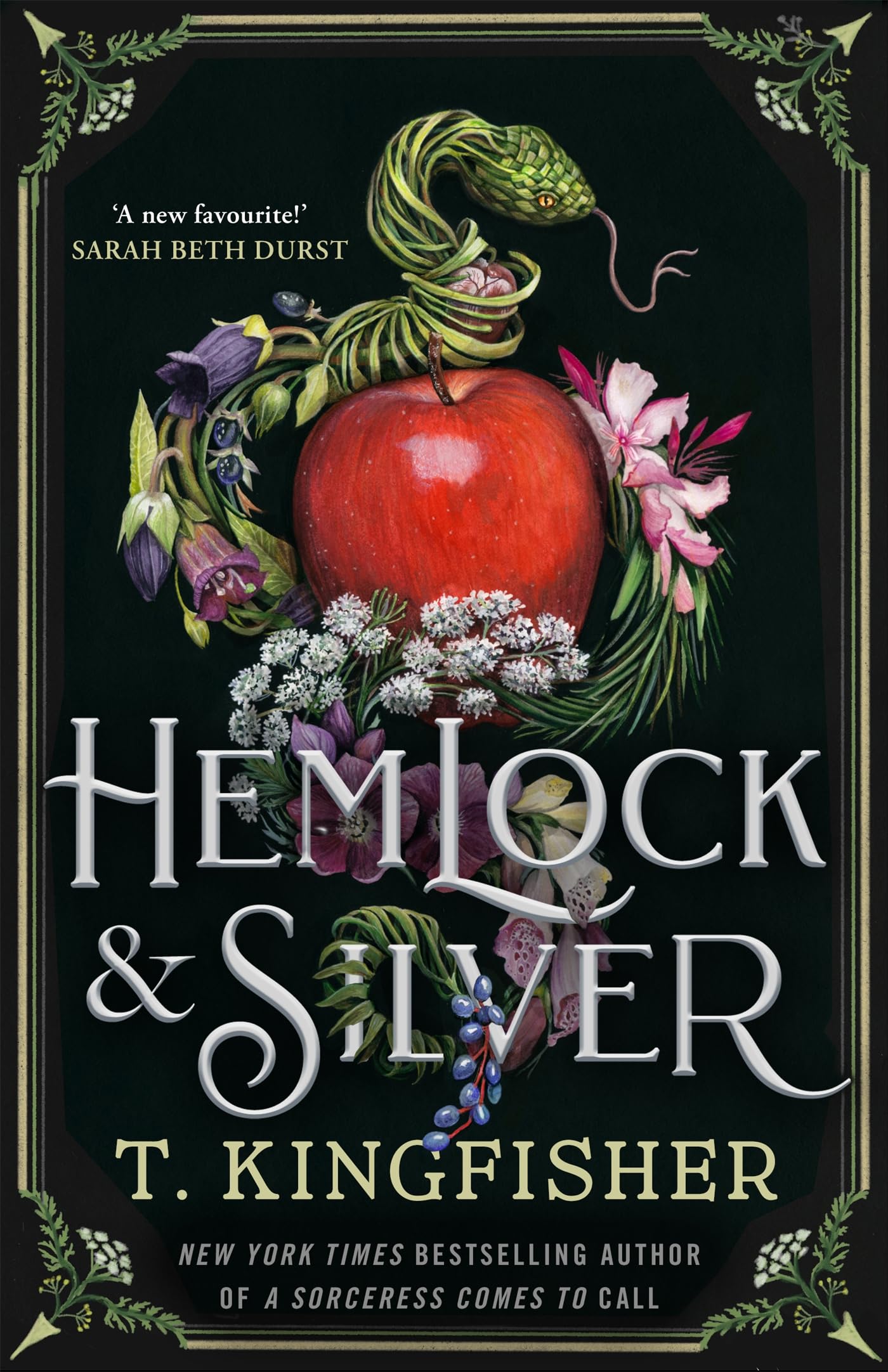
Book Review: Hemlock Silver spellbinding retelling bestselling ebook
Healer Anja regularly drinks poison. Not to die, but to save – seeking cures for those everyone else has given up on. But a summons from the King interrupts her quiet, herb-obsessed life. His daughter, Snow, is dying, and he hopes Anja’s unorthodox methods can save her. Aided by a taciturn guard,...
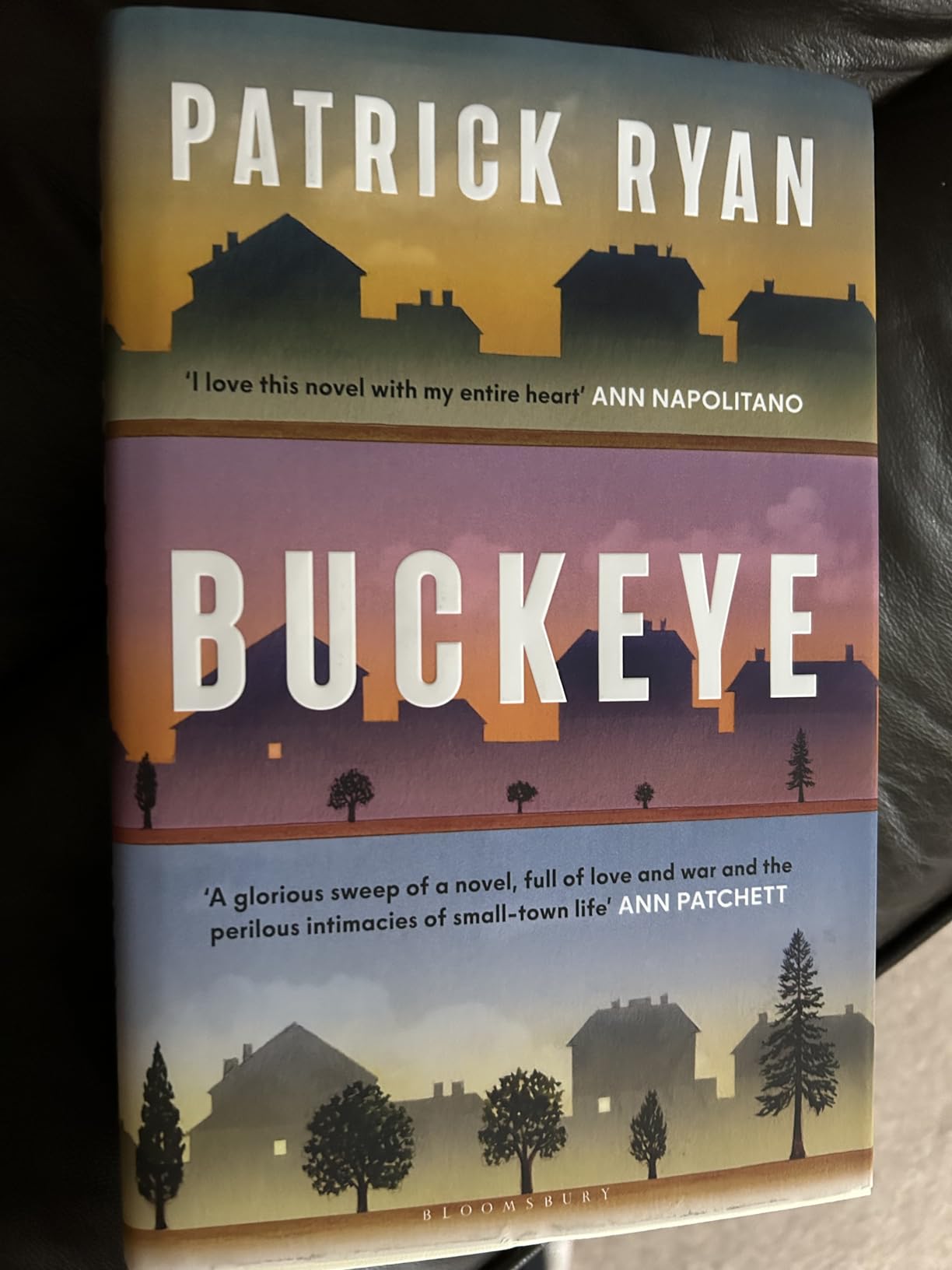
Book Review: Buckeye: The international bestseller: 'It soars' Tom Hanks Kindle Edition
May, 1945. As news of the Allied victory in Europe reaches the small town of Bonhomie, Ohio, a woman named Margaret Salt walks into a hardware store and asks the man behind the counter, Cal Jenkins, for a radio. What happens next will change both of their lives forever. While the country reconstruc...

Book Review: Heated Rivalry: Now Streaming on Crave and HBO Max: 2 (Game Changers, 2)
ANEW YORK TIMESBESTSELLER • NOW A #1 STREAMING SHOWThe epic enemies-to-lovers hockey romance from Rachel Reid, streaming on Crave in Canada and on HBO Max in the U.S."The book that got me into hockey romance." —NPR'sWeekend EditionNothing interferes with pro hockey star Shane Hollander’s game.Now th...