
Why Harry Potter Changed Children's Literature Forever
TL;DR
The Harry Potter series revolutionized the publishing industry by transforming children's literature into a global powerhouse and proving that young readers could embrace complex, dark, and lengthy narratives. Its key takeaway is that our choices and moral integrity define us more than our innate abilities or circumstances. For the most rewarding experience, readers should consume the seven books in chronological order to appreciate the intricate foreshadowing and emotional depth that the films often omit.
Why Harry Potter Changed Children's Literature Forever
Can a single book series truly change the course of human history? While that might sound like hyperbole, in the world of publishing, there is a clear "Before Potter" and "After Potter" era.
In 1997, a penniless single mother published a story about an orphaned boy with a lightning-shaped scar, and the literary world was never the same. Harry Potter and the Philosopher’s Stone did more than just sell books; it fundamentally shifted the tectonic plates of the global media landscape.
Before Harry, "Middle Grade" and "Young Adult" fiction were often relegated to the dusty back corners of bookstores, seen as niche products for a limited audience. After Harry, these genres became the primary engines of the global book market, proving that a "children's story" could capture the imagination of the entire planet.
The magic isn't just in the spells; it's in the cultural revolution it sparked. In this deep dive, we explore how J.K. Rowling crafted a masterpiece that continues to top bestseller lists decades later.
About J.K. Rowling
The story of J.K. Rowling is a modern-day fairy tale of perseverance. While sitting on a delayed train from Manchester to London King's Cross in 1990, the character of Harry Potter "simply fell into her head."
She spent the next seven years meticulously mapping out the entire seven-book arc, creating a complex web of lore, genealogy, and magical theory before the first chapter was even finalized. This foundation is why the series feels so cohesive.
Rowling’s journey to publication was famously difficult. Her manuscript was rejected by twelve different publishers who didn't believe a long book about a wizard school would appeal to modern children.
📘 Author Background: J.K. Rowling was a researcher and bilingual secretary for Amnesty International before becoming the first billionaire author in history.
When Bloomsbury finally accepted it, they gave her a small £2,500 advance and advised her to "get a day job." They even suggested she use the initials "J.K." instead of "Joanne" to hide her gender from young male readers.
What This Book Covers
At its core, Harry Potter is a "coming-of-age" story wrapped in a high-stakes mystery. The series follows Harry, an orphan living a miserable life, who discovers on his eleventh birthday that he is a wizard.
Key insight: "It is our choices, Harry, that show what we truly are, far more than our abilities." — Albus Dumbledore
The writing style evolves alongside the protagonist. The early books are written with a whimsical charm, but as the series progresses, the prose becomes more sophisticated and the themes significantly darker.
Rowling explores the nature of mortality, the corruption of government institutions, and the psychological toll of war. It is a series that "grows up" with its reader, moving from a child's discovery to a young adult's sacrifice.
Key Takeaways
The 1,000,000+ words of the series boil down to several profound life lessons that have shaped a generation of readers.
- The Power of Choices - Our character is defined not by our innate talents or where we come from, but by the decisions we make when faced with fear.
- The Reality of Grief - Death is a persistent character in the series, treated with a level of honesty and emotional weight rarely seen in children's fiction.
- Systemic Criticism - The books provide a scathing look at how bureaucracy and the media can be used to suppress truth and enable the rise of fascism.
- The Nuance of Morality - Characters like Snape and Sirius Black challenge the idea of "good" and "evil," showing that people are complex and capable of redemption.
- The "Lived-In" World - Rowling’s world-building is tactile, making the Wizarding World feel like a place that exists just out of sight in our own reality.
💡 Pro Tip: To fully appreciate the foreshadowing, re-read the first book immediately after finishing the seventh; you will see clues hidden in plain sight.
Who Should Read This
The Harry Potter series is one of the few truly "universal" recommendations in the literary world. It appeals to a vast demographic because it touches on fundamental human experiences.
- Young Readers (Ages 8-12): It is the ultimate "gateway drug" to a lifelong love of reading and adventure.
- Adults Seeking Depth: The later books are complex political thrillers that reward mature readers with their intricate plotting.
- Lovers of Mystery: Each book is essentially a "whodunnit" disguised as a fantasy novel, with clues planted hundreds of pages in advance.
- Fans of World-Building: If you enjoy getting lost in lore, genealogy, and history, Hogwarts is your ultimate destination.
Who Might Want to Skip
While globally beloved, the series isn't a perfect fit for everyone. You might want to look elsewhere if you prefer Hard Magic Systems where every spell has a scientific explanation.
Additionally, if you prefer the "grimdark" realism of Game of Thrones, the British charm and occasional whimsy of Harry's world might feel too polished or optimistic for your taste.
How It Compares to Similar Books
To understand Harry's impact, we have to look at how he stands against his predecessors and successors in the fantasy genre.
Vs. The Chronicles of Narnia: While C.S. Lewis utilized Narnia as a vehicle for Christian allegory, Rowling brought magic into the modern world. Narnia feels like a dream you visit; Hogwarts feels like a school you could actually attend.
Vs. Percy Jackson: Rick Riordan’s series is faster-paced and relies heavily on modern snark. While Percy Jackson excels at modern identity, Harry Potter offers a more profound emotional evolution over seven years.
Vs. Lord of the Rings: Tolkien created the blueprint for high fantasy and epic struggle. Rowling took those epic stakes and shrunk them down to the size of a classroom, making the fate of the world feel deeply personal.
Pros and Cons
What Works
- Unparalleled Foreshadowing: Rowling is a master of the "long game," planting items in Book 1 that don't pay off until Book 7.
- Authentic Character Growth: We see the trio grow from naive children into battle-scarred young adults in a way that feels organic.
- Cultural Connection: Reading these books gives you access to a global "shared language" of references and metaphors.
- Thematic Resonance: The books tackle prejudice (blood purity) and death in ways that are accessible yet profound.
What Could Be Better
- The "Epilogue" Problem: Many fans find the "19 Years Later" ending to be a bit too "neat" and sentimentally saccharine.
- Pacing Dips: As the books became massive hits, the editing became lighter, leading to some bloated chapters in the middle of the series.
⚠️ Warning: Be prepared for a "book hangover" after finishing the series; many readers find it difficult to start a new book immediately after leaving Hogwarts.
Frequently Asked Questions
Is Harry Potter too scary for young children?
The first two books are generally safe for ages 7 and up. However, by the fourth book, characters begin to die and the imagery becomes much more intense.
Do I really need to read the books if I’ve seen the movies?
Yes, absolutely. The movies cut out roughly 40% of the plot, including essential subplots like the full backstory of the Marauders and the complexity of Voldemort's family.
What is the "Harry Potter Effect" in publishing?
This refers to the massive surge in the Young Adult (YA) market. Before Harry, publishers didn't believe teenagers bought books in large quantities.
In what order should I read the books?
You must read them in chronological order. The series is one continuous narrative where each volume builds directly on the secrets revealed in the previous one.
Which book is considered the best?
While subjective, The Prisoner of Azkaban is often cited for its tight plotting, while The Half-Blood Prince is a fan favorite for its deep dive into villain lore.
Is the series still relevant today?
Yes, the themes of standing up to authority and the importance of friendship remain timeless, ensuring the series finds new fans every year.
Final Verdict
The Harry Potter series is more than just a collection of books; it is a cultural landmark that redefined what children's literature could achieve. It proved that young readers are capable of handling complex themes and massive page counts.
J.K. Rowling’s ability to weave a complex mystery while maintaining a deep focus on the emotional reality of her characters remains unparalleled in modern fiction.
Rating: 5/5 ⭐
"Hogwarts will always be there to welcome you home." — J.K. Rowling
Related Book Reviews
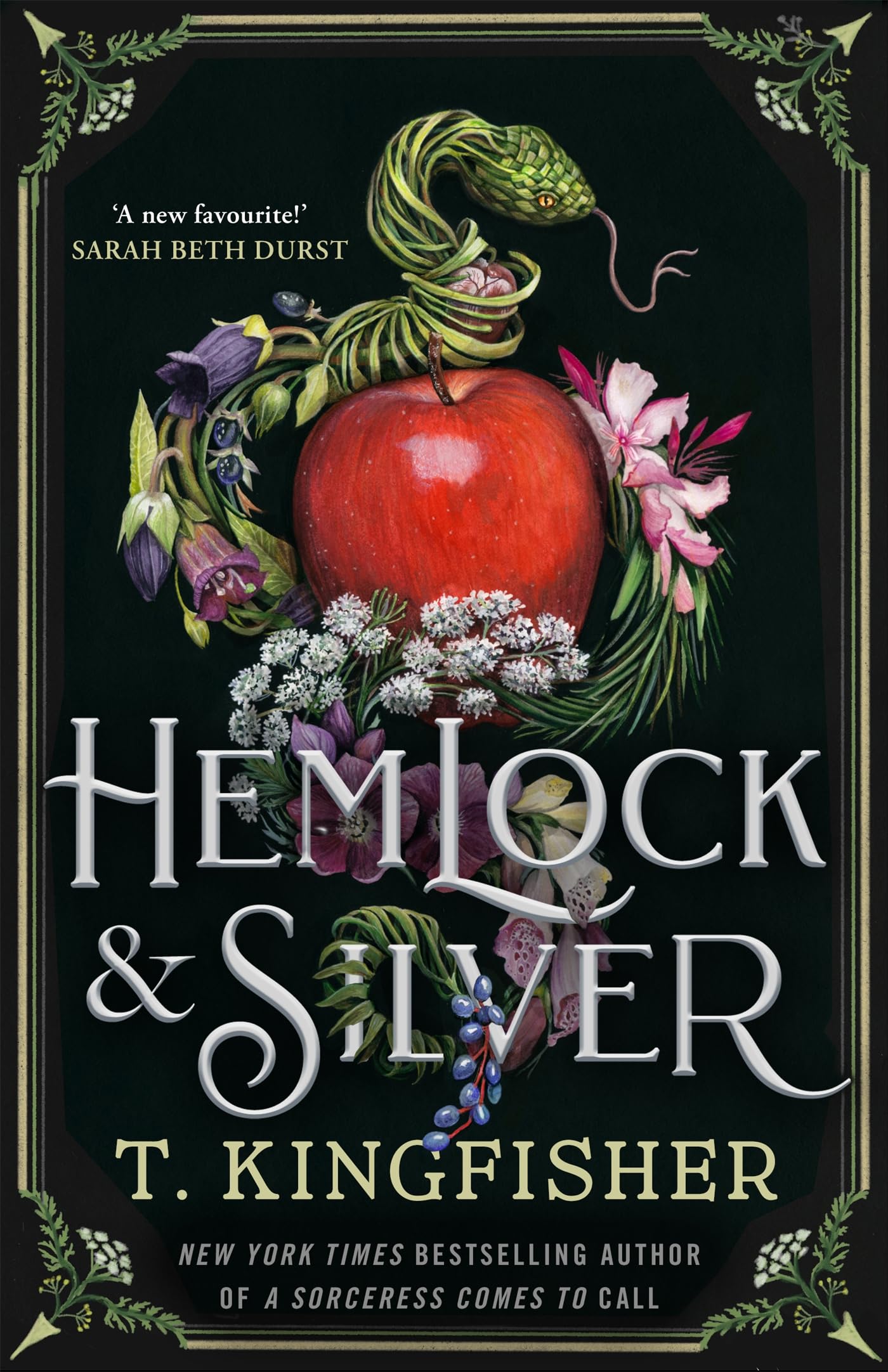
Book Review: Hemlock Silver spellbinding retelling bestselling ebook
Healer Anja regularly drinks poison. Not to die, but to save – seeking cures for those everyone else has given up on. But a summons from the King interrupts her quiet, herb-obsessed life. His daughter, Snow, is dying, and he hopes Anja’s unorthodox methods can save her. Aided by a taciturn guard,...
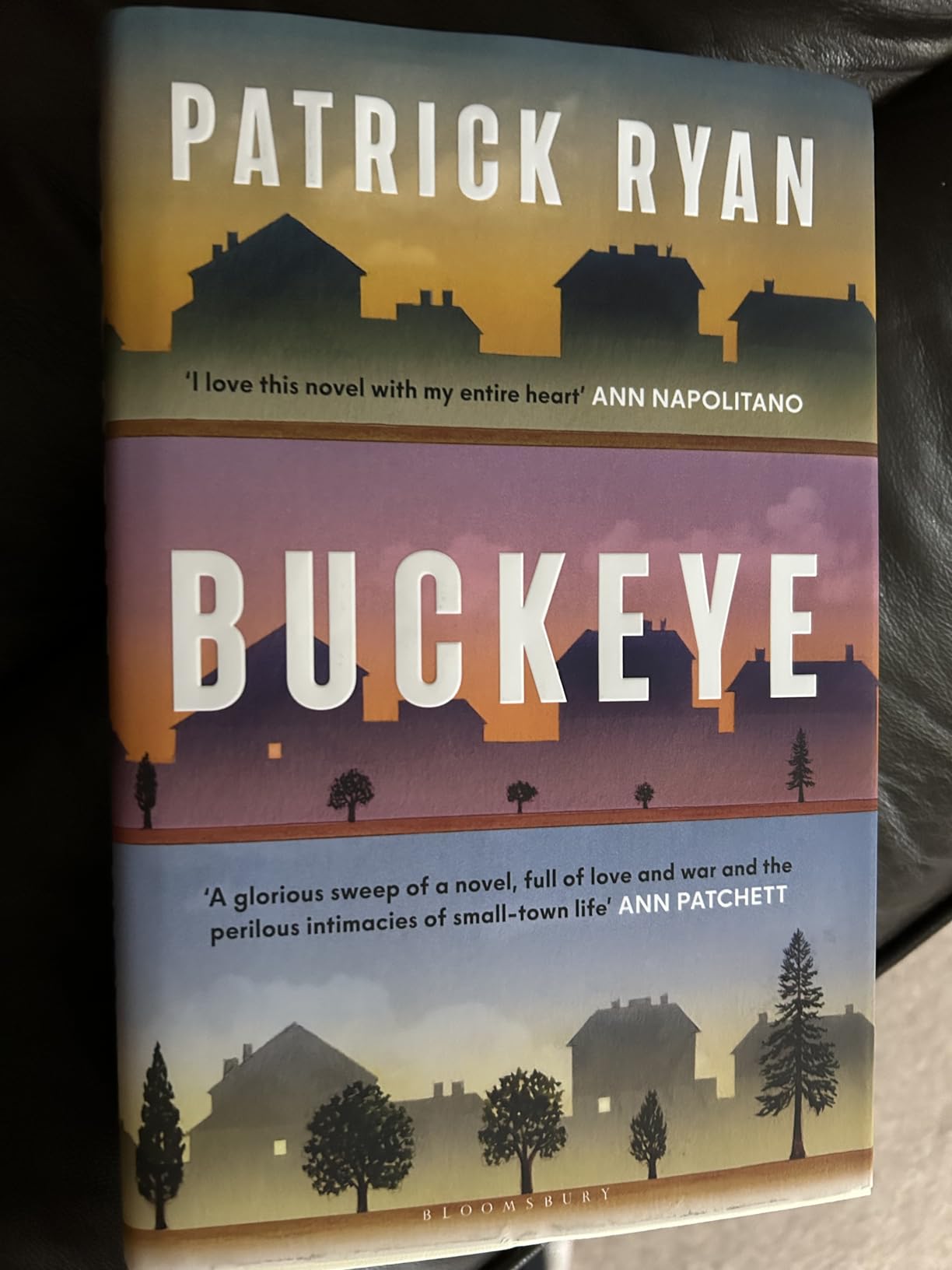
Book Review: Buckeye: The international bestseller: 'It soars' Tom Hanks Kindle Edition
May, 1945. As news of the Allied victory in Europe reaches the small town of Bonhomie, Ohio, a woman named Margaret Salt walks into a hardware store and asks the man behind the counter, Cal Jenkins, for a radio. What happens next will change both of their lives forever. While the country reconstruc...
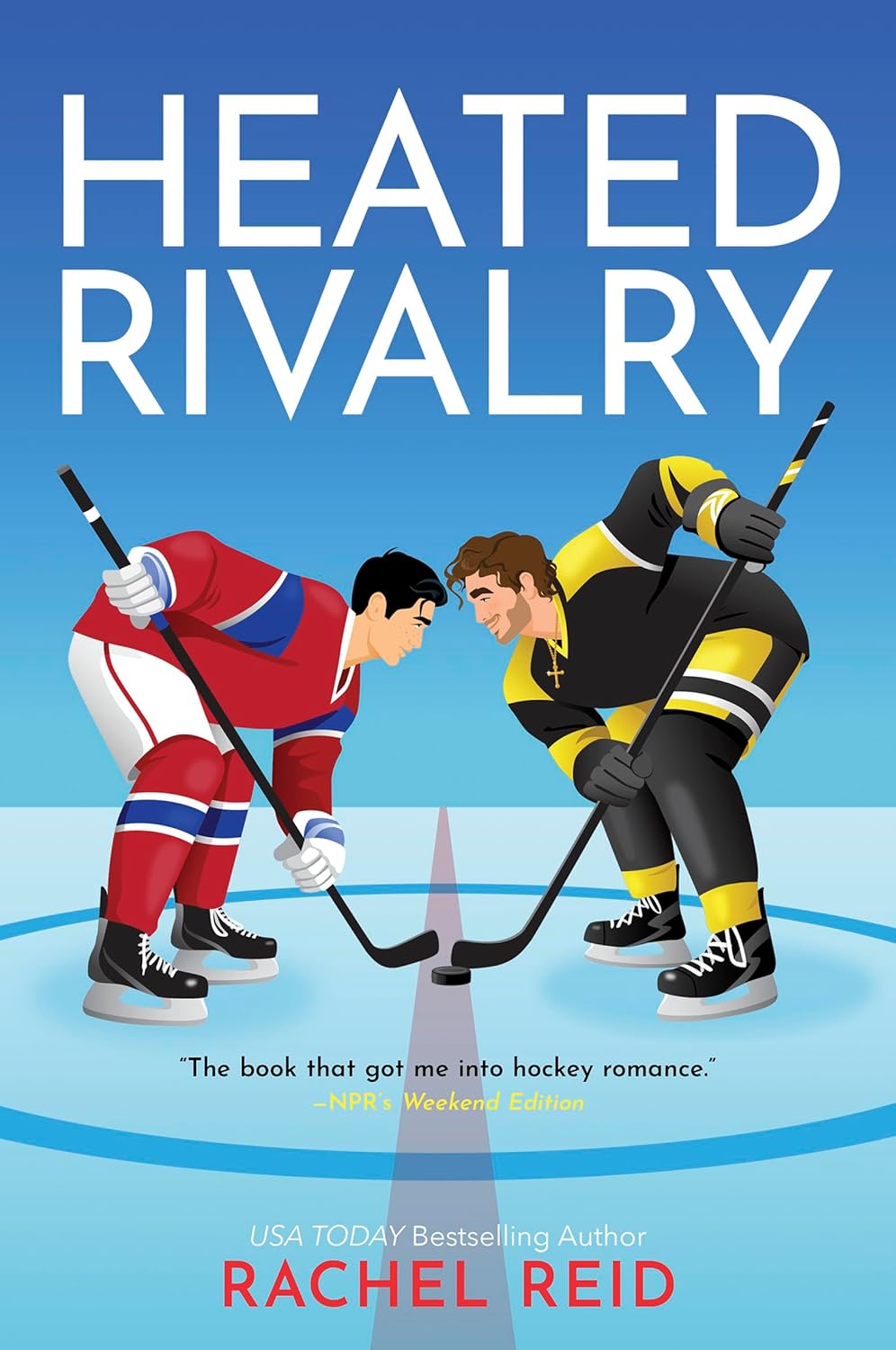
Book Review: Heated Rivalry: Now Streaming on Crave and HBO Max: 2 (Game Changers, 2)
ANEW YORK TIMESBESTSELLER • NOW A #1 STREAMING SHOWThe epic enemies-to-lovers hockey romance from Rachel Reid, streaming on Crave in Canada and on HBO Max in the U.S."The book that got me into hockey romance." —NPR'sWeekend EditionNothing interferes with pro hockey star Shane Hollander’s game.Now th...