
Book Review: The Great Divorce
 By Jessica · 23 January 2026
TL;DR
The Great Divorce explores the fundamental incompatibility of good and evil, arguing that the afterlife is a logical extension of an individual's persistent earthly choices and self-absorption. C.S. Lewis uses a vivid celestial journey to demonstrate that spiritual joy requires the total surrender of one's ego and grievances. This book is a must-read for anyone seeking a profound, psychologically sharp examination of human nature and the moral weight of daily decisions.
Opening Hook
Imagine standing at the edge of eternity, offered a free bus ride from the grey, drizzling shadows of "Hell" to the vibrant, solid landscapes of "Heaven." Would you stay in the light, or would you find the brightness too painful to bear?
The Great Divorce by C.S. Lewis is not just a story; it is a profound psychological and spiritual examination of the human soul. It challenges the comfortable idea that good and evil can somehow be merged into a convenient middle ground.
About C. S. Lewis
Clive Staples Lewis, commonly known as C. S. Lewis, was a world-renowned British novelist, academic, and lay theologian. He held prestigious academic positions at both Oxford and Cambridge Universities throughout his career.
Lewis is perhaps most famous for The Chronicles of Narnia, but his contributions to Christian apologetics and literature are vast. His unique ability to translate complex philosophical concepts into relatable metaphors makes him one of the most influential writers of the 20th century.
📘 Author Background: Before becoming a champion of faith, Lewis was a staunch atheist for many years, a perspective that allowed him to write with deep empathy for the skeptic's mind.
What This Book Covers
The core premise of The Great Divorce is a dream-like journey where the narrator travels via a celestial bus from the "Grey Town" (a version of Hell or Purgatory) to the foothills of Heaven. The story serves as a direct theological rebuttal to William Blake’s The Marriage of Heaven and Hell.
Key insight: "There are only two kinds of people in the end: those who say to God, 'Thy will be done,' and those to whom God says, in the end, 'Thy will be done.'"
Throughout the narrative, Lewis explores the idea that Hell is not a place of fire and brimstone, but a state of mind characterized by total self-absorption. The "divorce" in the title refers to the impossible union between good and evil; Lewis argues they are fundamentally incompatible and moving in opposite directions.
Key Takeaways
This allegory provides a wealth of moral and philosophical insights that remain strikingly relevant today.
- The Nature of Choice - Every small preference for self over truth is a step toward a permanent state of spiritual isolation.
- The Reality of Joy - Heaven is depicted as "more real" and solid than Earth or Hell, suggesting that goodness is a substance rather than an abstract concept.
- The Burden of Ego - The ghosts from the Grey Town are unable to stay in Heaven because they refuse to let go of their grievances, vanities, and intellectual pride.
💡 Pro Tip: When reading, pay close attention to the dialogue between the "Ghosts" and the "Bright People"—it often reveals subtle ways we justify our own negative behaviors.
Who Should Read This
This book is a timeless classic that appeals to a wide variety of readers looking for depth and introspection.
- Fans of Allegorical Fiction: If you enjoyed The Pilgrim’s Progress or Dante’s Inferno, this is a modern essential.
- Spiritual Seekers: Anyone questioning the nature of the afterlife or the psychological roots of "sin" and "virtue."
- Literature Students: Those interested in 20th-century British literature and the works of the Inklings.
Who Might Want to Skip
Readers who prefer fast-paced, plot-driven action may find the philosophical dialogues a bit slow. Additionally, if you are looking for a literal, biblical description of the afterlife, you may find Lewis’s imaginative "dream" format distracting.
How It Compares to Similar Books
When compared to The Screwtape Letters (also by Lewis), The Great Divorce is more visual and atmospheric. While Screwtape focuses on the mechanics of temptation, this book focuses on the finality and logic of the soul’s destination.
Compared to Dante’s Divine Comedy, Lewis’s work is much more accessible to the modern reader. It avoids the dense political references of 14th-century Italy, focusing instead on universal human psychology that feels as fresh today as it did in the 1940s.
Against The Shack by William Young, Lewis offers a more intellectually rigorous and less sentimental view of the divine. While both use fiction to explore theology, Lewis remains more grounded in traditional philosophical frameworks.
Pros and Cons
What Works
- Stunning Imagery: The description of the "solid" grass of Heaven that hurts the feet of the "transparent" ghosts is a brilliant metaphor for spiritual reality.
- Psychological Depth: Lewis identifies "sins" that are often overlooked, such as nagging, intellectual snobbery, and possessive love.
- Conciseness: At roughly 150 pages, it delivers a massive amount of wisdom without a single wasted word.
What Could Be Better
- Abstract Concepts: Some of the theological arguments presented by the character of George MacDonald can be difficult to grasp on a first reading.
- Dated Language: While mostly timeless, some of the social references and dialects reflect the era in which it was written.
Frequently Asked Questions
Is 'The Great Divorce' a sequel to another book?
No, it is a standalone work. However, it shares thematic DNA with Lewis's other theological fictions like The Screwtape Letters.
Is this book only for Christians?
While written from a Christian perspective, its insights into human ego, pride, and the nature of choice are universally applicable to anyone interested in ethics or psychology.
What does the "Divorce" in the title mean?
It refers to the separation of Heaven and Hell. Lewis is arguing against the idea that we can keep a "little bit" of our vices while still attaining ultimate joy.
Who is the character George MacDonald in the book?
George MacDonald was a real-life Victorian author who Lewis deeply admired. In the book, he serves as a spiritual guide, similar to Virgil in Dante's Inferno.
Is the 'Grey Town' actually Hell?
Lewis suggests it is Hell for those who stay there, but for those who eventually choose to leave for Heaven, it was merely Purgatory.
⚠️ Warning: This book may cause intense self-reflection. Lewis has a knack for pointing out "small" character flaws that the reader might recognize in themselves.
Final Verdict
The Great Divorce remains one of the most imaginative and challenging works of the 20th century. It manages to turn abstract theology into a vivid, breathing world that haunts the reader long after the final page is turned.
Whether you read it for the literary merit, the historical context, or the spiritual challenge, it is a book that demands—and deserves—your full attention. It is a masterpiece of brevity and insight.
Rating: 4.8/5
"The door to Hell is locked from the inside." — A haunting reminder that our ultimate destination is a result of our own persistent choices.
Related Book Reviews
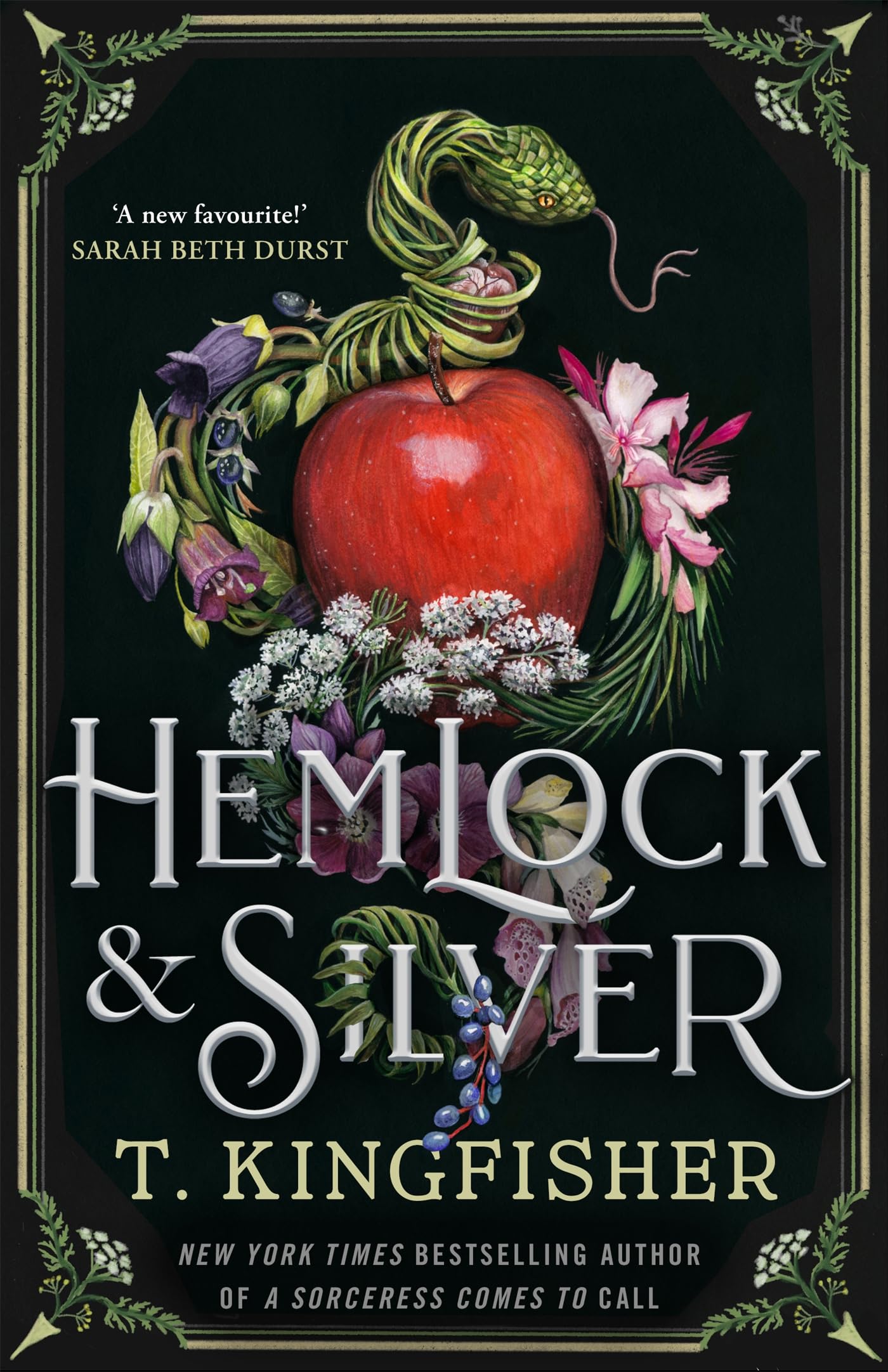
Book Review: Hemlock Silver spellbinding retelling bestselling ebook
Healer Anja regularly drinks poison. Not to die, but to save – seeking cures for those everyone else has given up on. But a summons from the King interrupts her quiet, herb-obsessed life. His daughter, Snow, is dying, and he hopes Anja’s unorthodox methods can save her. Aided by a taciturn guard,...
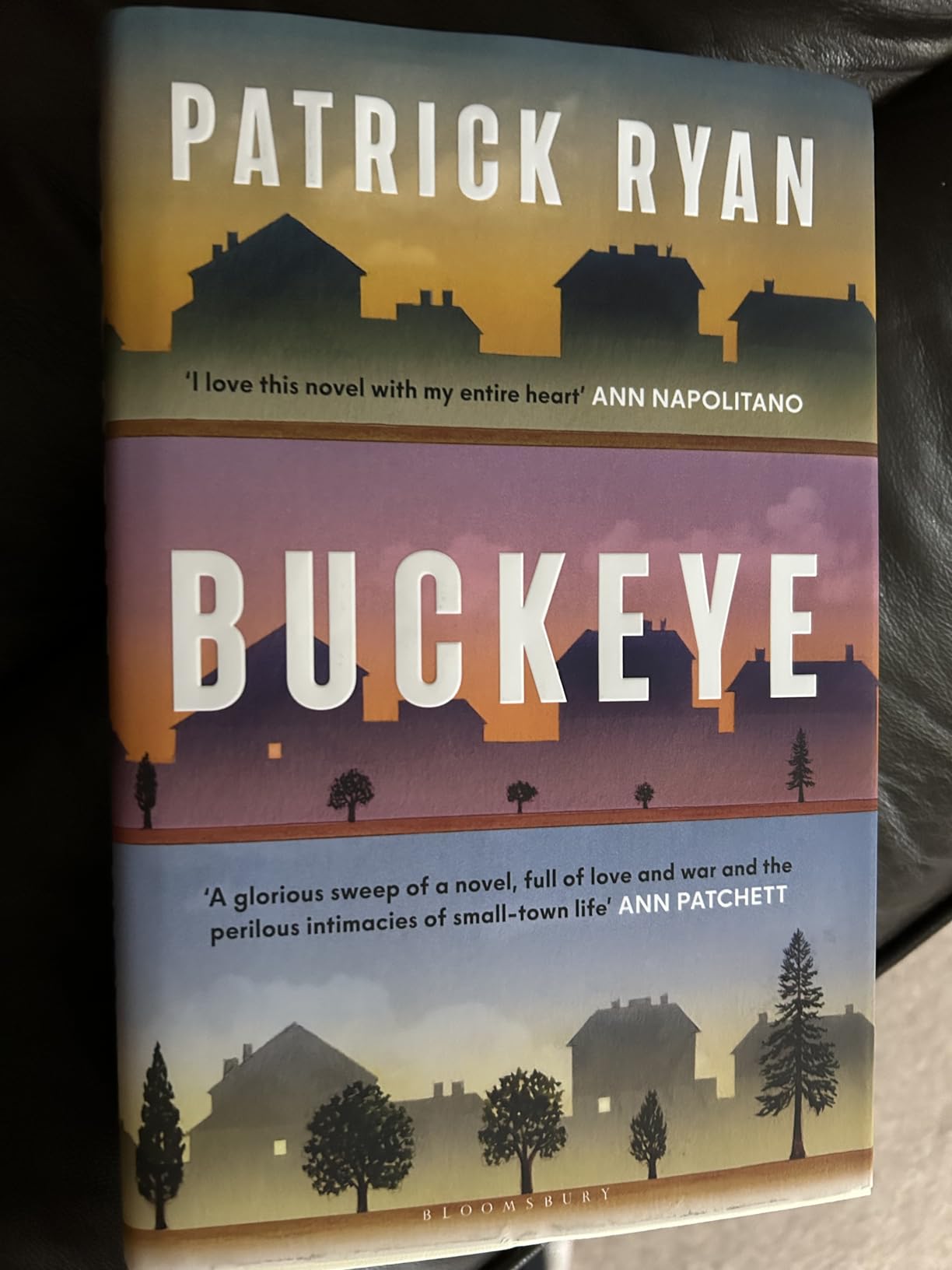
Book Review: Buckeye: The international bestseller: 'It soars' Tom Hanks Kindle Edition
May, 1945. As news of the Allied victory in Europe reaches the small town of Bonhomie, Ohio, a woman named Margaret Salt walks into a hardware store and asks the man behind the counter, Cal Jenkins, for a radio. What happens next will change both of their lives forever. While the country reconstruc...
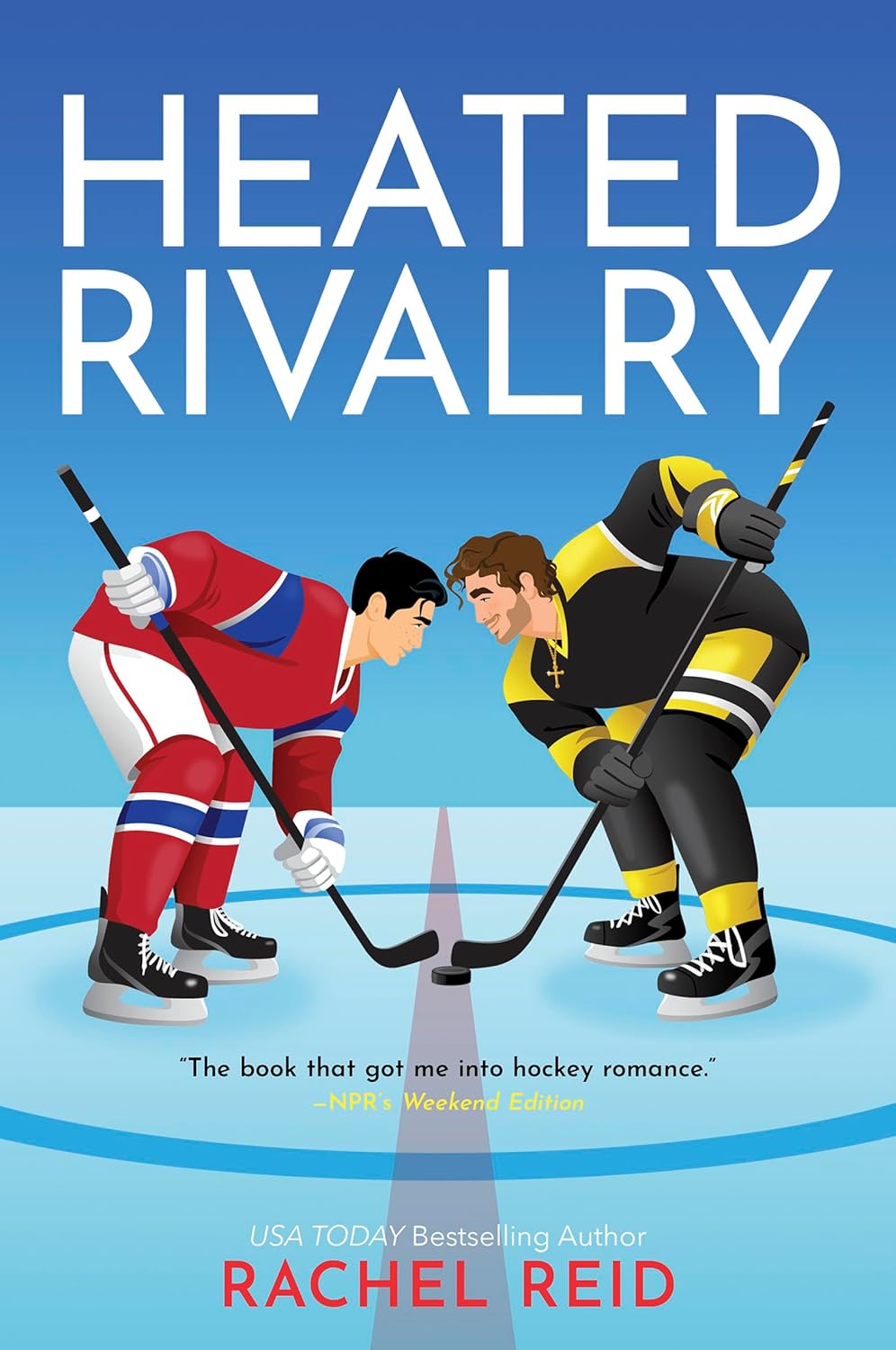
Book Review: Heated Rivalry: Now Streaming on Crave and HBO Max: 2 (Game Changers, 2)
ANEW YORK TIMESBESTSELLER • NOW A #1 STREAMING SHOWThe epic enemies-to-lovers hockey romance from Rachel Reid, streaming on Crave in Canada and on HBO Max in the U.S."The book that got me into hockey romance." —NPR'sWeekend EditionNothing interferes with pro hockey star Shane Hollander’s game.Now th...