Atomic Habits: Small Changes, Remarkable Results
TL;DR
Atomic Habits by James Clear argues that massive success stems from the compound effect of small, 1% daily improvements and the systems that drive them. To achieve lasting change, you should focus on shifting your identity rather than just setting goals, using the Four Laws of Behavior Change to make good habits easy and bad ones difficult. The book is highly recommended for anyone seeking a practical, science-based blueprint to automate productivity and build consistent routines.
Opening Hook
Most people believe that massive success requires massive action. We pressure ourselves to make some earth-shattering improvement that everyone will talk about, whether it is losing weight, building a business, or writing a book.
However, James Clear argues that real change comes from the compound effect of hundreds of small decisions—doing two push-ups, waking up five minutes early, or making one short phone call. These are Atomic Habits.
About James Clear
James Clear is a writer and speaker focused on habits, decision-making, and continuous improvement. His work is rooted in biology, psychology, and neuroscience, making his advice both practical and scientifically sound.
He is the creator of the 3-2-1 newsletter, one of the most popular email newsletters in the world. His ability to distill complex topics into simple, actionable behaviors has made him a leading voice in the productivity space.
📘 Author Background: James Clear began his journey into habit formation after a devastating baseball injury in high school. He used small, incremental improvements to recover and eventually become an Academic All-American athlete.
What This Book Covers
Atomic Habits provides a comprehensive framework for improving every day. It moves away from the idea of "willpower" and instead focuses on the systems that drive human behavior.
Key insight: "You do not rise to the level of your goals. You fall to the level of your systems."
The book explores how small, 1% improvements compound over time, leading to a "plateau of latent potential." It also introduces the concept of Identity-Based Habits, which suggests that the key to lasting change is not focusing on what you want to achieve, but who you wish to become.
Key Takeaways
The book is structured around the Four Laws of Behavior Change, which provide a simple set of rules for creating good habits and breaking bad ones.
- The 1% Rule - Improving by just 1% every day leads to exponential growth over the long term through the power of compounding.
- Identity Shifting - Lasting change happens when you shift your focus from outcomes (results) to identity (your beliefs and self-image).
- The Habit Loop - Every habit follows a four-step process: Cue, Craving, Response, and Reward.
- Environment Design - It is easier to practice good habits when the cues for those habits are visible and the friction to perform them is low.
- The Two-Minute Rule - To stop procrastinating, scale any habit down to something that takes less than two minutes to start.
💡 Pro Tip: Use "Habit Stacking" to build new routines. Identify a current habit you do every day and then stack your new behavior on top: "After I [Current Habit], I will [New Habit]."
Who Should Read This
This book is a universal guide for anyone looking to optimize their daily life and achieve long-term goals.
- Entrepreneurs and Professionals: Those looking to build systems that automate success and increase productivity.
- Athletes and Fitness Enthusiasts: Anyone struggling to stay consistent with a workout or nutrition plan.
- Students and Lifelong Learners: People who want to develop better focus and more effective study routines.
Who Might Want to Skip
If you are looking for a "quick fix" or a "magic pill" for success, this book may frustrate you. It emphasizes patience, consistency, and the long game rather than overnight transformation.
How It Compares to Similar Books
Compared to "The Power of Habit" by Charles Duhigg, Atomic Habits is much more "how-to" oriented. While Duhigg focuses on the science and stories behind habits, Clear focuses on the specific steps you can take to change them.
When compared to "Tiny Habits" by BJ Fogg, Clear’s work is broader in scope. Fogg focuses heavily on the "starting small" aspect, whereas Clear integrates identity, environment, and psychology into a more holistic life system.
Finally, against "Deep Work" by Cal Newport, Atomic Habits serves as the foundation. Newport tells you what to do (focus), while Clear gives you the behavioral tools to make that focus a permanent part of your day.
Pros and Cons
What Works
- Extremely Actionable: Every chapter ends with a summary and specific steps to implement the ideas immediately.
- Clear Writing Style: The prose is punchy, easy to digest, and free of unnecessary academic jargon.
- Great Visuals: The book includes charts and graphs that help visualize concepts like the "Valley of Disappointment."
What Could Be Better
- Repetitive Themes: Some readers may find that the core message is repeated frequently throughout the chapters.
- Familiar Concepts: If you are a veteran of self-help literature, some of the psychological concepts (like dopamine loops) may feel familiar.
Frequently Asked Questions
What is an "Atomic Habit"?
An atomic habit is a regular practice or routine that is not only small and easy to do but is also the source of incredible power. It is a component of the system of compound growth.
How long does it take to form a new habit?
Clear argues that habits are not about a specific number of days (like the common 21-day myth) but about the frequency. The more often you perform the behavior, the more automatic it becomes.
What is the "Valley of Disappointment"?
This is the period where you are making small changes but not seeing visible results yet. Most people give up here, not realizing that the work is being "stored" for a future breakthrough.
⚠️ Warning: Don't fall into the trap of "motion" vs. "action." Motion is planning and strategizing; action is the behavior that delivers a result. Don't let planning become a form of procrastination.
How do I break a bad habit?
To break a bad habit, you invert the Four Laws: Make it invisible, make it unattractive, make it difficult, and make it unsatisfying. For example, hide your phone in another room to stop scrolling.
Can I use these rules for a team or business?
Yes. Group habits are simply the "culture" of an organization. By changing the cues and rewards within an office environment, you can shift the collective habits of a team.
What is "Identity-Based" habit formation?
It is the process of deciding who you want to be (e.g., "I am a runner") and then proving it to yourself with small wins (e.g., putting on your running shoes every morning).
Final Verdict
Atomic Habits is arguably the most practical and comprehensive book on behavior change written in the last decade. It removes the mystery of why we do what we do and replaces it with a repeatable blueprint for improvement.
Whether you want to get in shape, master a craft, or simply stop wasting time, James Clear provides the tools to make those changes permanent. It is a rare book that is both intellectually stimulating and immediately useful.
Rating: 5/5 ⭐
"Success is the product of daily habits—not once-in-a-lifetime transformations."
Related Book Reviews
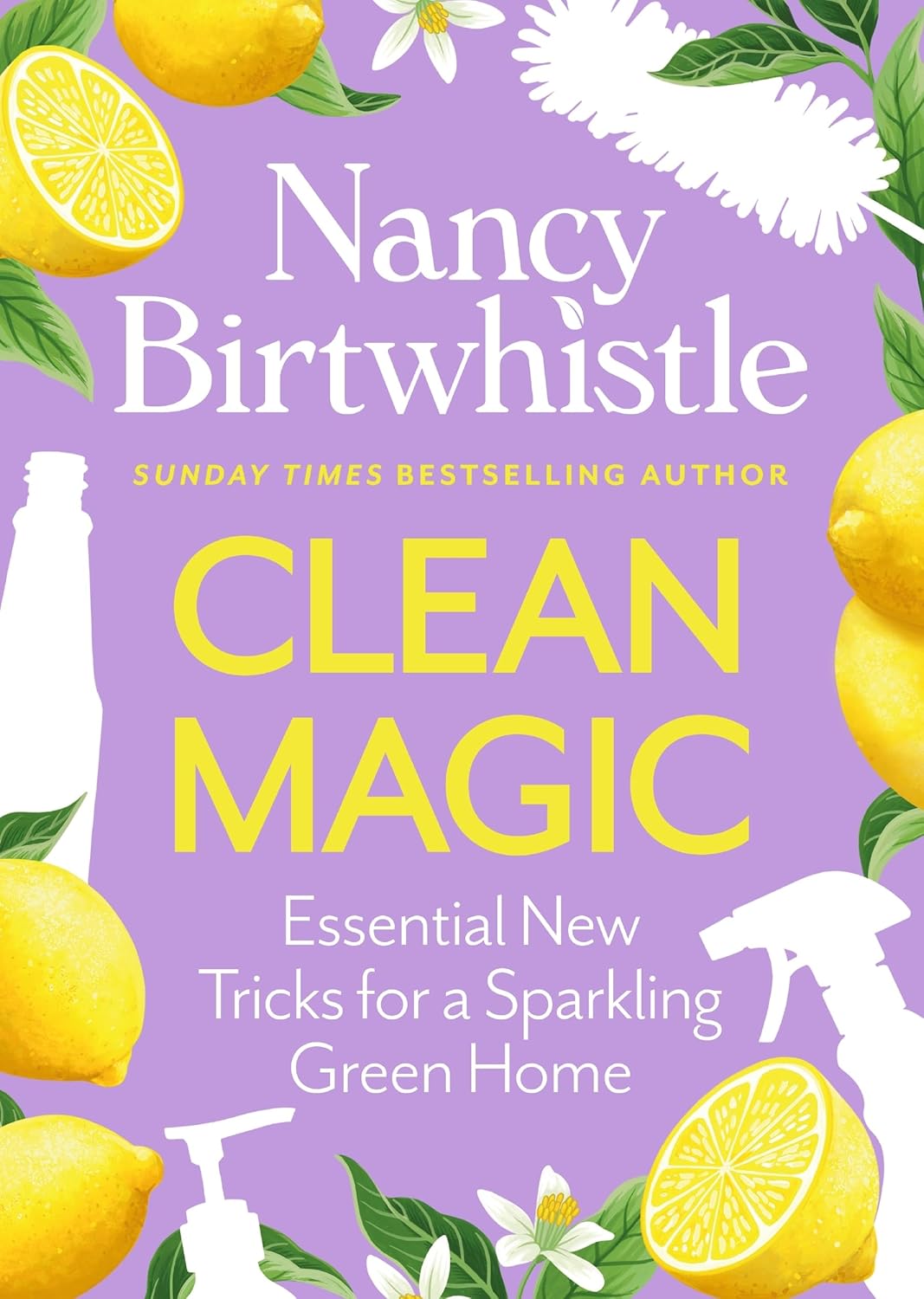
Book Review: Clean Magic: Essential New Tricks for a Sparkling Green Home
With Nancy Birtwhistle, it IS easy being green.Clean Magicis a complete guide with practical and down-to-earth advice on how to integrate Nancy’s tried and tested household tips into your daily life.From sorting stubborn stains to Basic Magic, Pure Magic Gel and big, themed clean-ups, Nancy helps yo...

Book Review: Micro-Habits: Tiny Changes That Supercharge High Performance
Success isn't always born from grand gestures; more often, it is built in the quiet, microscopic moments of our daily lives. In *Micro-Habits: Tiny Changes That Supercharge High Performance*, renowned broadcaster and high-performance expert Jake Humphrey reveals how the world's most successful indiv...

Book Review: Atomic Habits: The life-changing million-copy #1 bestseller
***OUT NOW - THE ATOMIC HABITS WORKBOOK: OFFICIAL COMPANION TO THE #1 WORLDWIDE BESTSELLER***THE PHENOMENAL INTERNATIONAL BESTSELLER: OVER 25 MILLION COPIES SOLD WORLDWIDETransform your life with tiny changes in behaviour,startingnow.People think that when you want to change your life, you need to t...