Book Review: Atomic Habits: The life-changing million-copy #1 bestseller
 By Ashton · 11 March 2026
TL;DR
Atomic Habits argues that lasting success comes from the compound effect of tiny 1% improvements rather than massive overhauls. To achieve significant transformation, you should focus on building systems and identity-based habits using practical strategies like habit stacking, environment design, and the two-minute rule.
The Power of 1%: Why Your Smallest Habits Determine Your Greatest Success
Most people believe that massive success requires massive action. We are told that to change our lives, we need to think big, make leap-of-faith pivots, and overhaul our entire existence overnight.
James Clear argues the exact opposite in Atomic Habits. He suggests that the most profound transformations come from the compound effect of hundreds of small decisions that are invisible in the moment but life-altering over time.
About James Clear
James Clear is a world-renowned expert on habit formation, decision-making, and continuous improvement. His work is rooted in biology, psychology, and neuroscience, making his advice both practical and scientifically sound.
Clear is the creator of the 3-2-1 newsletter, one of the most popular email newsletters in the world. His ability to distill complex topics into simple, actionable behaviors has made him a sought-after speaker for Fortune 500 companies and professional sports teams.
📘 Author Background: James Clear began his journey into habit science after a devastating baseball injury in high school, using small routines to recover and eventually become an Academic All-American.
What This Book Covers
The core premise of Atomic Habits is that you do not rise to the level of your goals; you fall to the level of your systems. It provides a framework for improving by 1% every single day through the Four Laws of Behavior Change.
Key insight: "Habits are the compound interest of self-improvement. The same way that money multiplies through compound interest, the effects of your habits multiply as you repeat them."
The book explores why it is so hard to break bad habits and so difficult to start good ones. Clear introduces concepts like Identity-Based Habits, which suggest that the key to lasting change is not focusing on what you want to achieve, but who you wish to become.
Key Takeaways
James Clear breaks down the mechanics of habit formation into four simple steps: Cue, Craving, Response, and Reward.
- The 1% Rule - Small improvements that seem insignificant daily will result in a 37-times better version of yourself after one year.
- Habit Stacking - You can build new habits faster by "stacking" them onto current routines you already perform without thinking.
- The Two-Minute Rule - To stop procrastinating, scale any new habit down to something that takes less than two minutes to start.
- Environment Design - It is much easier to maintain good habits when your physical environment is designed to make the "good" cues obvious.
💡 Pro Tip: Use the "Never Miss Twice" rule. If you fail to perform a habit one day, ensure you show up the next day to prevent a new "bad" habit from forming.
Who Should Read This
This book is a versatile guide that applies to almost every area of human endeavor, from fitness to business.
- Professionals and Entrepreneurs looking to increase productivity and build systems for long-term growth.
- Students and Athletes who want to optimize their performance through disciplined, repeatable routines.
- Anyone feeling "stuck" who wants to make a change but feels overwhelmed by the scale of their goals.
Who Might Want to Skip
If you are looking for a deep, academic dive into the neurobiology of the brain without practical application, this might feel too "hands-on." It is a manual for action, not just a theoretical study.
How It Compares to Similar Books
Atomic Habits is often compared to The Power of Habit by Charles Duhigg. While Duhigg focuses more on the science and "why" behind habits, Clear focuses on the "how-to" and provides a much more actionable roadmap.
It also shares themes with Tiny Habits by BJ Fogg. However, Clear’s writing style is often cited as more engaging and easier to digest for the average reader looking for immediate lifestyle changes.
Compared to The 5 AM Club by Robin Sharma, Atomic Habits is less about a specific routine and more about the universal mechanics that allow you to build any routine successfully.
Pros and Cons
What Works
- Incredibly Practical: Every chapter ends with a summary and actionable steps you can take immediately.
- Evidence-Based: Clear backs his claims with psychological studies and real-world examples from high-performers.
- Clear Writing: The prose is punchy, easy to read, and free of unnecessary "fluff" or academic jargon.
What Could Be Better
- Repetitive Nature: Some readers may find that the core concepts are repeated frequently, though this helps with retention.
- Simplicity: While the "1% better" concept is inspiring, some complex behavioral addictions may require more than just the Four Laws.
Frequently Asked Questions
Is Atomic Habits worth reading if I've read other habit books?
Yes, absolutely. While the science of habits is universal, Clear’s "Four Laws" framework is arguably the most user-friendly and implementation-focused version available today.
How long does it take to see results from these methods?
Because the book focuses on "atomic" or tiny changes, you will see immediate shifts in your daily structure, though the "plateau of latent potential" means big results usually take months of consistency.
What is the "Two-Minute Rule"?
The Two-Minute Rule states that when you start a new habit, it should take less than two minutes to do. For example, "Read before bed" becomes "Read one page."
Can this book help with breaking bad habits like smoking?
Yes, Clear provides an "Inversion" of the Four Laws specifically designed to make bad habits invisible, unattractive, difficult, and unsatisfying.
Is this book suitable for teenagers?
It is perfect for teenagers and young adults. The concepts of compounding and identity-based habits are life-changing when learned early in life.
What is "Habit Stacking"?
Habit stacking is a strategy where you pair a new habit with a current habit. The formula is: "After [Current Habit], I will [New Habit]."
Final Verdict
Atomic Habits is a rare masterpiece in the self-help genre. It manages to be both highly inspiring and deeply practical, offering a "no-excuses" approach to personal growth that feels achievable for anyone.
By shifting the focus from goals to systems, James Clear provides a roadmap for sustainable change that doesn't rely on fleeting bursts of willpower or motivation.
Rating: 5/5
"You do not rise to the level of your goals. You fall to the level of your systems. Focus on the system, and the results will follow."
Related Book Reviews
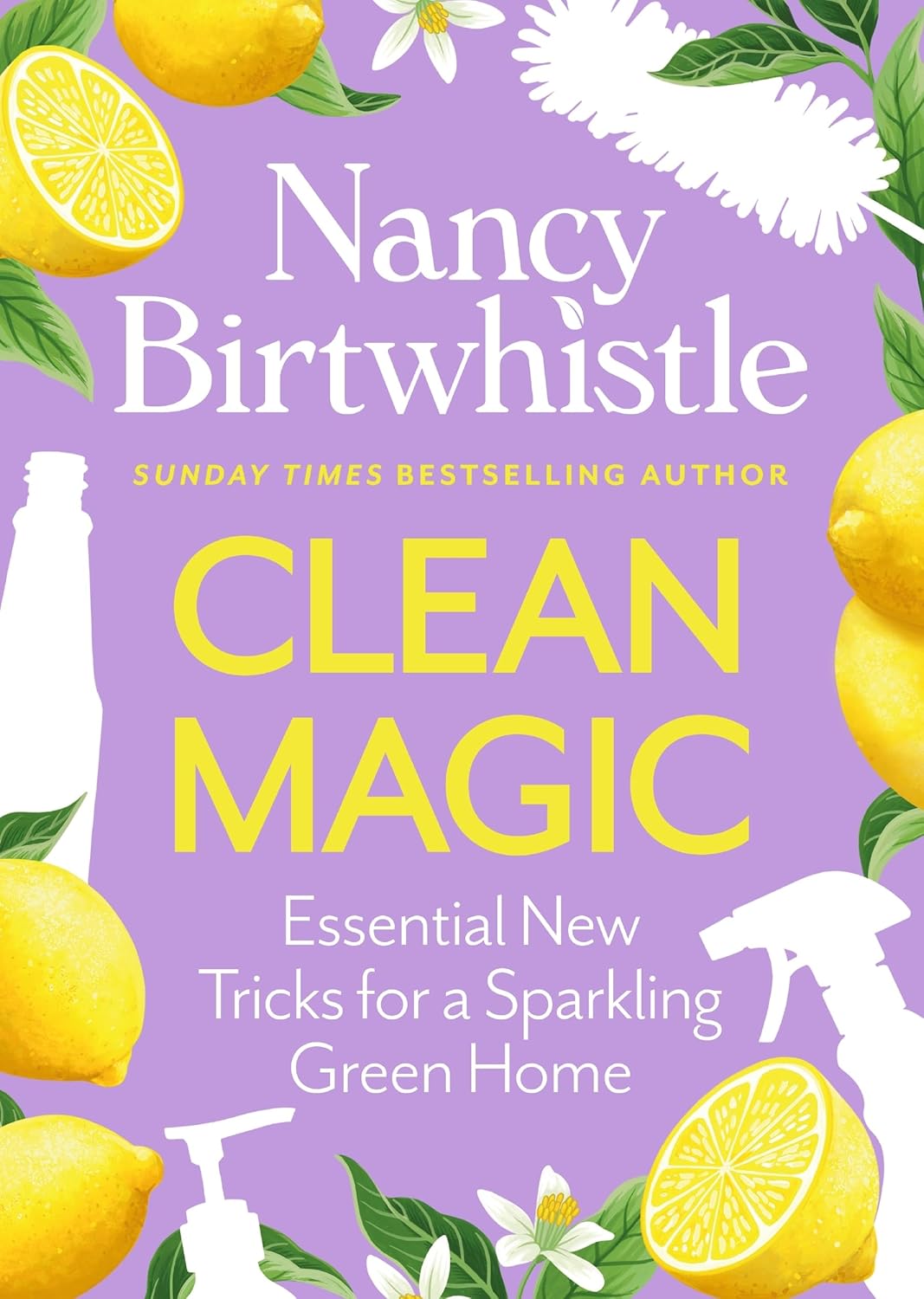
Book Review: Clean Magic: Essential New Tricks for a Sparkling Green Home
With Nancy Birtwhistle, it IS easy being green.Clean Magicis a complete guide with practical and down-to-earth advice on how to integrate Nancy’s tried and tested household tips into your daily life.From sorting stubborn stains to Basic Magic, Pure Magic Gel and big, themed clean-ups, Nancy helps yo...

Book Review: Micro-Habits: Tiny Changes That Supercharge High Performance
Success isn't always born from grand gestures; more often, it is built in the quiet, microscopic moments of our daily lives. In *Micro-Habits: Tiny Changes That Supercharge High Performance*, renowned broadcaster and high-performance expert Jake Humphrey reveals how the world's most successful indiv...

Atomic Habits: Small Changes, Remarkable Results
James Clear delivers a practical guide to building good habits and breaking bad ones through tiny, consistent changes.