
Book Review: The Good, the Bad and the Healthy: How to make smarter daily choices
 By Jessica · 29 May 2026
TL;DR
The Good, the Bad and the Healthy reveals how food marketing often masks poor nutritional quality, urging consumers to ignore front-of-package buzzwords and focus on ingredient lists. The key recommendation is to implement small, consistent brand swaps for food and household products to reduce inflammation and toxic load without restrictive dieting. It is an essential guide for anyone looking to navigate the supermarket more effectively and take control of their long-term metabolic health.
Opening Hook
Most of us believe we are making healthy choices at the supermarket, yet our kitchen cupboards are often filled with "health foods" that are anything but.
In The Good, the Bad and the Healthy, Sunna van Kampen pulls back the curtain on the food industry to reveal how marketing jargon often masks poor nutritional quality.
About Sunna van Kampen
Sunna van Kampen is the founder of Tonic Health, a brand dedicated to high-potency vitamins and transparency in the wellness industry.
His background in the health supplement space gave him a front-row seat to the confusing world of food labeling and corporate marketing tactics.
📘 Author Background: Sunna van Kampen transitioned from a career in the corporate world to a health advocate after realizing how many "healthy" products were actually loaded with sugar and additives.
What This Book Covers
The core premise of the book is that good health starts with what we buy, focusing on the small, repetitive decisions we make in the supermarket aisles every week.
Key insight: "We don't need a total lifestyle overhaul to be healthy; we just need to stop being fooled by the marketing on the front of the packet and start reading the ingredients on the back."
Van Kampen explores every corner of the modern lifestyle, from breakfast cereals and "healthy" snacks to the household cleaning products that impact our internal environment.
Key Takeaways
This book provides a roadmap for navigating the modern food landscape without the need for restrictive dieting or extreme lifestyle changes.
- The Marketing Veil - Companies use buzzwords like "natural" or "high protein" to distract consumers from high sugar content and ultra-processed ingredients.
- The Power of Swaps - Small, consistent changes in the brands we choose can lead to a massive cumulative reduction in toxic load and inflammation over a lifetime.
- Reading the Fine Print - Understanding how to interpret ingredient lists is more important than counting calories when it comes to long-term metabolic health.
- Environmental Health - Health isn't just about what we eat; the chemicals in our laundry detergents and soaps play a significant role in our overall well-being.
💡 Pro Tip: When shopping, ignore the front of the box entirely. Flip the product over and look for the first three ingredients—these make up the majority of what you're eating.
Who Should Read This
This book is designed for anyone who feels overwhelmed by conflicting health advice and wants practical, actionable steps.
- Busy Parents: People who want to provide better nutrition for their families without spending hours in the kitchen every day.
- The Health-Conscious Beginner: Individuals who want to improve their diet but don't want to follow a strict "diet plan" or count every calorie.
- Skeptical Shoppers: Those who suspect that "healthy" food labels are misleading and want the evidence to prove it.
Who Might Want to Skip
If you are already an expert in ultra-processed foods (UPFs) and meticulously read every label, much of this information might serve as a refresher rather than a revelation.
How It Compares to Similar Books
Compared to "Ultra-Processed People" by Chris van Tulleken, van Kampen’s book is much more focused on the "how-to" of shopping rather than the deep scientific theory of food production.
While "The Glucose Goddess Method" by Jessie Inchauspé focuses on the order in which we eat, this book focuses on the specific brands and products we should be reaching for in the first place.
It sits comfortably between a health manifesto and a practical shopping guide, making it more accessible than many academic nutrition books.
Pros and Cons
What Works
- Extreme Practicality: The book provides "this-for-that" swaps that you can implement during your very next grocery run.
- Visual Clarity: Uses charts and lists to make the "Good" and "Bad" options easy to identify at a glance.
- Non-Judgmental Tone: Van Kampen recognizes that perfection is impossible and focuses on "better" rather than "perfect."
What Could Be Better
- Brand Specificity: Some of the specific brand recommendations may vary by region, which might be less helpful for international readers outside the UK.
- Depth of Science: Readers looking for deep biochemical explanations might find the advice a bit simplified.
Frequently Asked Questions
Is this book a diet plan?
No, it is not a restrictive diet. It is a guide to making better choices within your existing eating habits by swapping poor-quality products for higher-quality alternatives.
Does it cover more than just food?
Yes, the book also touches on household items like cleaning supplies and personal care products, acknowledging their impact on our health.
Is the advice based on scientific research?
Yes, Sunna van Kampen uses nutritional science to back up his claims, particularly regarding the impact of sugar, additives, and seed oils on the body.
Will this book help me lose weight?
While not a weight-loss book per se, reducing the intake of ultra-processed foods and hidden sugars naturally leads to better weight management for many people.
Are the recommended swaps more expensive?
Not necessarily. The book often highlights that many "healthier" options are similarly priced or that buying whole foods can actually save money in the long run.
⚠️ Warning: Once you read this book, you will never look at the "Health Food" aisle the same way again. Prepare to be shocked by what is in your favorite granola bar!
Final Verdict
The Good, the Bad and the Healthy is an essential manual for the modern consumer. It empowers you to take back control from food marketers and make decisions that actually support your longevity.
If you want to improve your health without giving up your favorite meals, this book provides the "cheat codes" to doing exactly that through smarter shopping.
Rating: 4.6/5
"Your wallet is your most powerful tool for health. Every time you scan an item at the till, you are voting for the version of yourself you want to be tomorrow."
Related Book Reviews
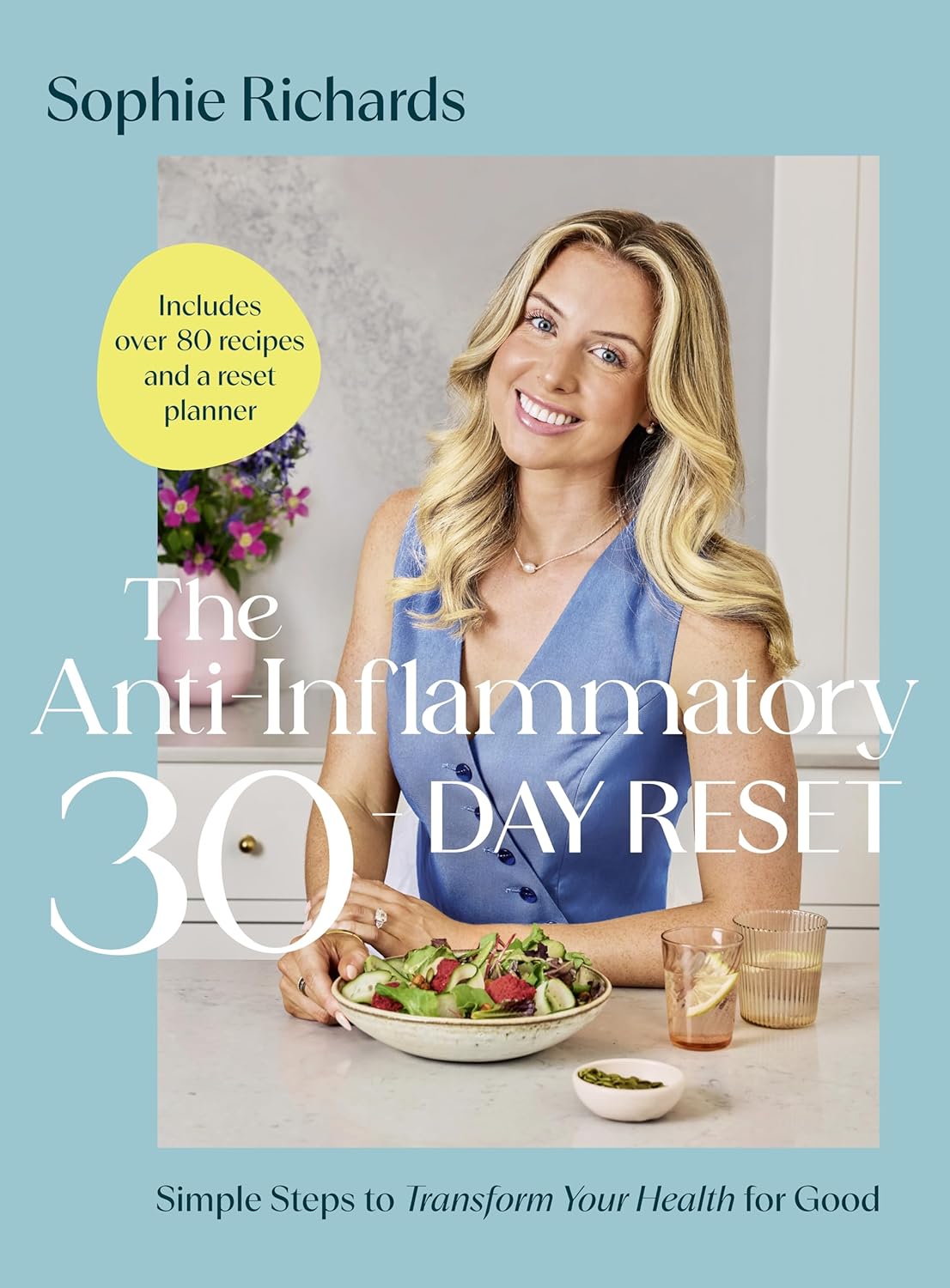
Book Review: The Anti-Inflammatory 30-day Reset: Simple Steps to Transform Your Health for Good
THE INSTANT SUNDAY TIMES #1 BESTSELLERTACKLE INFLAMMATION TO TRANSFORM HOW YOU FEEL IN JUST 30 DAYSDo you live with uncomfortable, unexplained symptoms?Are exhaustion, mood swings, breakouts or brain fog making life miserable?Do you regularly feel bloated or gassy?Do you crave more energy and vitali...
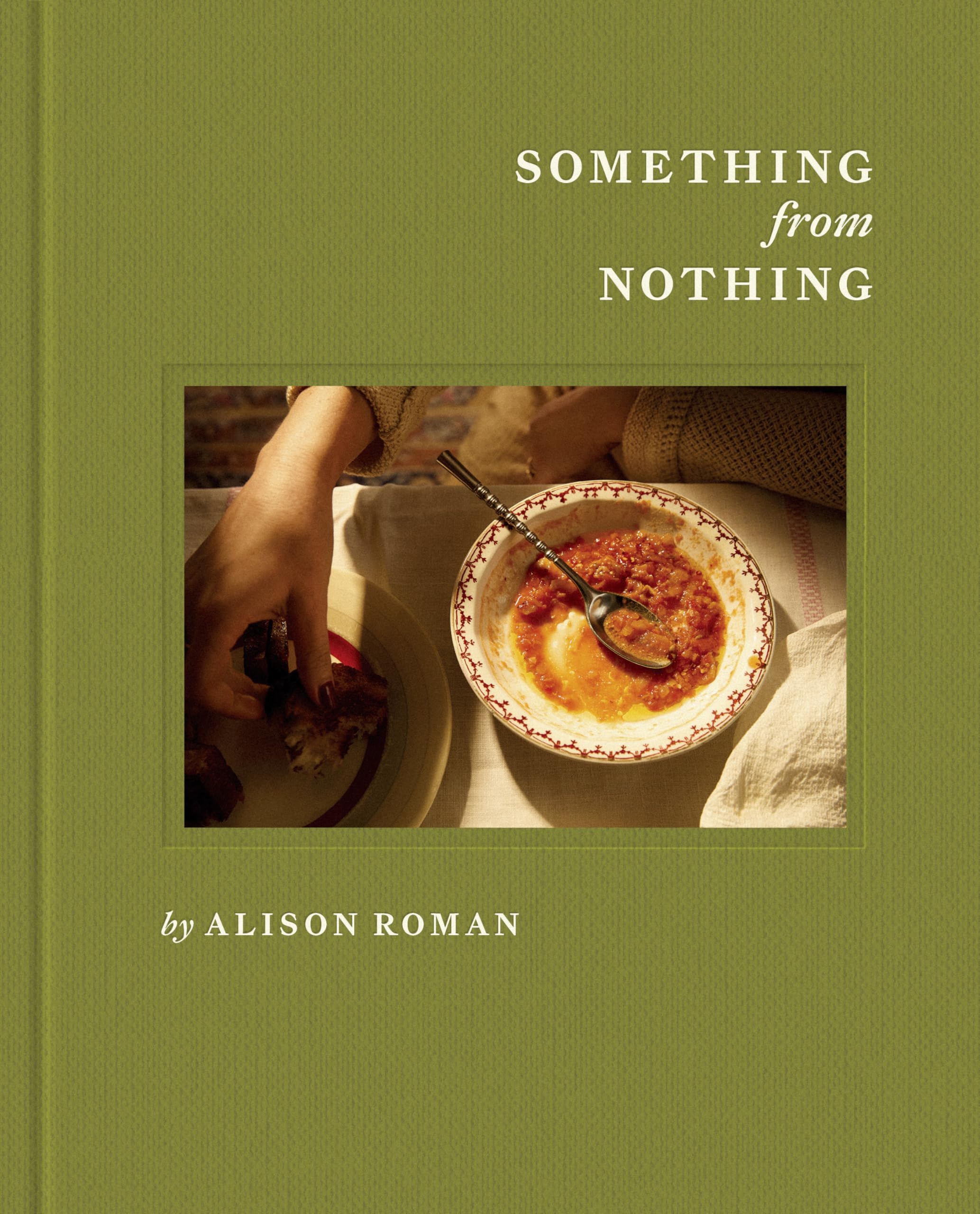
Book Review: Something Nothing Cookbook Alison Roman
Something from Nothing is Alison Roman's latest book featuring over 100 deceptively simple, casually stylish, impossibly delicious recipes that make the most of your pantry. In Something from Nothing, bestselling author Alison Roman gives you a collection of simple, smart, timeless recipes that rel...

Book Review: The Almanac: A Seasonal Guide to 2026: THE SUNDAY TIMES BESTSELLER
The original and bestselling almanacReconnect with the seasons in Britain and Ireland with this month-by-month guide to the world around us - including tide tables, sunrises and moon phases; wildlife and folklore; seasonal recipes and more.The Almanac: A Seasonal Guide to 2026gives you the tools and...